

A sharp rise in diesel fuel costs is putting renewed pressure on the U.S. trucking industry, delaying a long-anticipated recovery and straining smaller operators already grappling with weak demand. The latest spike—driven in part by geopolitical tensions—has pushed fuel prices close to historic highs, with ripple effects across the nation’s supply chain.
Diesel Prices Climb as Global Tensions Disrupt Energy Markets
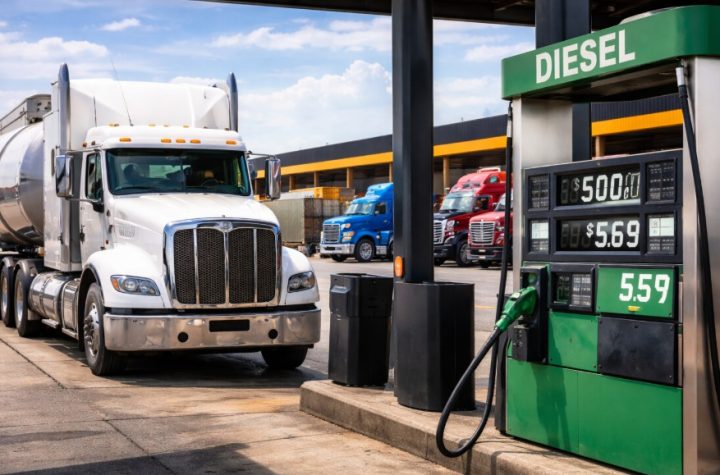
Diesel prices across the United States have surged roughly 50% over the past year, according to data from the American Automobile Association (AAA). The national average reached $5.38 per gallon this week, up from about $3.61 a year ago and approaching the record $5.82 set in June 2022 following Russia’s invasion of Ukraine.
On the West Coast, where transportation costs are typically higher, prices have climbed even further. In California—home to major ports like Los Angeles and Long Beach—diesel hit a record $7.17 per gallon. Washington state also saw all-time highs, with prices reaching $6.55 per gallon.
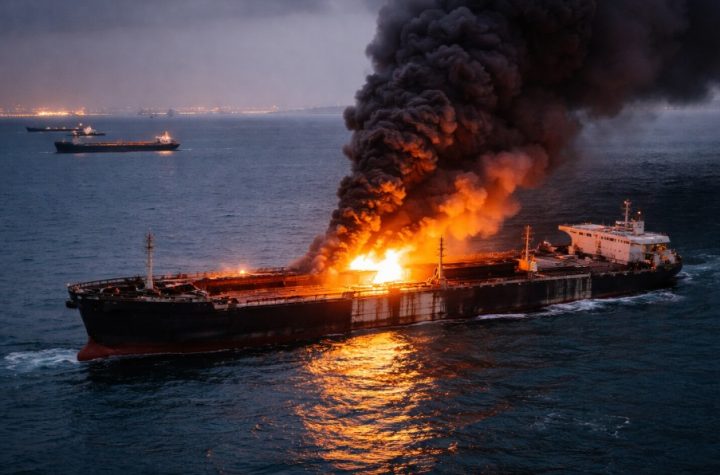
The surge is tied in part to escalating conflict involving Iran, which has tightened its control over the Strait of Hormuz—a critical global shipping route through which about 20% of the world’s oil and liquefied natural gas supply passes. While the U.S. maintains strong domestic fuel production, oil prices are set on global markets, leaving domestic diesel costs vulnerable to international disruptions.
Independent Truckers Face Mounting Financial Pressure
The rising cost of diesel is hitting independent truck drivers and small carriers the hardest. Unlike large logistics companies, many independent operators are paid per load, with fuel costs built into fixed rates. That structure leaves them exposed when fuel prices spike.
“The guys really getting squeezed are the small carriers that can’t negotiate higher rates because demand is still flat,” said Dean Croke, principal analyst at freight data firm DAT.
The U.S. trucking industry has been in a downturn for roughly four years, marked by excess capacity and soft freight demand. For smaller operators, the combination of stagnant rates and rising operating costs is creating a significant cash flow challenge.
Adding to the strain is the industry’s payment cycle. Truckers often pay for fuel upfront, while customers may take 30 days or longer to pay invoices. This mismatch can leave drivers covering high expenses out of pocket for weeks at a time.
Large Carriers Better Positioned to Absorb Costs
Major trucking and logistics companies—including FedEx, JB Hunt, and CH Robinson—are better equipped to handle rising fuel costs. These firms control roughly 80% of the market and typically use fuel surcharges to pass increased costs on to customers.
They also benefit from economies of scale, including bulk fuel purchasing and financial strategies such as hedging to manage price volatility. So far, analysts say, customers have shown limited resistance to these added costs, allowing larger carriers to maintain more stable margins.
Industry Outlook Remains Uncertain Despite Some Relief
One modest bright spot for the industry is the rise in spot market rates—short-term shipping prices not tied to long-term contracts—which are about 25% higher than a year ago. This increase is partly due to a reduction in the number of active drivers, as some have exited the industry amid ongoing challenges.
“That’s the cushion,” Croke said. “If rates weren’t higher than last year, there’d be serious trouble. We’d be seeing the same level of distress as in 2022.”
Still, the broader outlook remains uncertain. The Organization for Economic Cooperation and Development (OECD) has warned that the conflict involving Iran could weigh on global economic growth, potentially dampening freight demand further.
Conclusion
The recent surge in diesel prices underscores the trucking industry’s vulnerability to global energy disruptions. While large carriers have tools to manage rising costs, independent truckers face mounting financial pressure in an already sluggish market. Without a meaningful drop in fuel prices or a rebound in freight demand, the sector’s recovery may remain out of reach in the near term.

“Certified food guru. Internet maven. Bacon junkie. Tv enthusiast. Avid writer. Gamer. Beeraholic.”

More Stories
Iran War Triggers Largest Oil Market Disruption in History, IEA Warns
Airlines Struggle With Soaring Jet Fuel Prices as Hedging Strategies Fall Short
Gas Prices Are Just the Beginning: How the Iran War Could Raise Costs Across the U.S. Economy