

Travelers across the United States are encountering longer security lines as airport operations feel the strain of a partial federal government shutdown. With staffing challenges affecting screening efficiency, passengers are being urged to plan ahead and monitor wait times before heading to the airport.
TSA Wait Times by Airport
Security delays have been reported at major hubs nationwide, including high-traffic airports such as Los Angeles International Airport. To help travelers navigate these disruptions, CNBC maintains a real-time tracker of security checkpoint wait times.
The tracker compiles publicly available data from the 50 busiest airports in the country and updates every 30 minutes. Because reporting varies by airport, some locations provide frequent updates while others may only post intermittently—or not at all.
When multiple terminals report different wait times, the tracker displays the longest estimate to give travelers a conservative expectation.
TSA PreCheck vs. Standard Security Lines
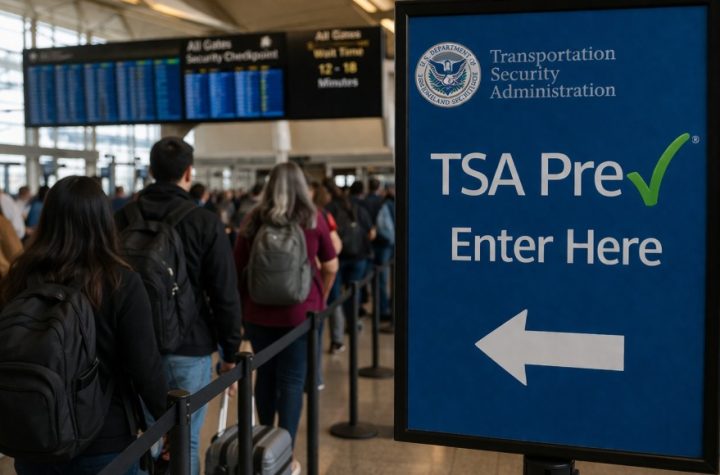
The Transportation Security Administration continues to promote its TSA PreCheck program as a way to reduce time spent in security lines.
PreCheck allows more than 20 million pre-approved travelers to move through dedicated lanes, often without removing shoes, belts, or laptops. Under normal operating conditions, the TSA estimates that about 99% of PreCheck passengers wait less than 10 minutes.
However, even expedited screening lines may experience delays during periods of staffing shortages or unusually high passenger volume.
How Early Should You Arrive at the Airport?
Standard guidance from the TSA recommends arriving at least two hours before domestic departures and three hours ahead of international flights.
During the current government shutdown, officials are advising travelers to allow additional time. Passengers are also encouraged to check directly with their airlines for the latest updates, as delays can vary significantly depending on location, time of day, and staffing levels.
Understanding the Data Behind Wait Times
The wait time estimates provided by CNBC rely on publicly reported figures from individual airports. These numbers can fluctuate rapidly due to several factors, including:
- Passenger traffic levels
- Staffing availability
- Weather conditions
- Operational disruptions
Because reporting practices differ, not all airports provide consistent or real-time updates, which may limit accuracy in some cases.
Methodology
CNBC’s tracker aggregates data from the nation’s 50 busiest airports and refreshes every 30 minutes. When multiple terminals at a single airport report different wait times, the system prioritizes the longest reported delay to reflect the most cautious estimate for travelers.
Conclusion
As the government shutdown continues to impact airport operations, travelers should expect longer security lines and plan accordingly. Monitoring TSA wait times, arriving early, and considering programs like TSA PreCheck can help reduce stress and avoid missed flights during this period of disruption.

“Certified food guru. Internet maven. Bacon junkie. Tv enthusiast. Avid writer. Gamer. Beeraholic.”


More Stories
First Cases of Bird Flu Confirmed in Northern Elephant Seals in California
Two influencers drown after refusing to wear life jackets: “ruining selfies”
Uruguay 2024 election results: who won and when is the second round | Waiting to know whether there will be a runoff or not