
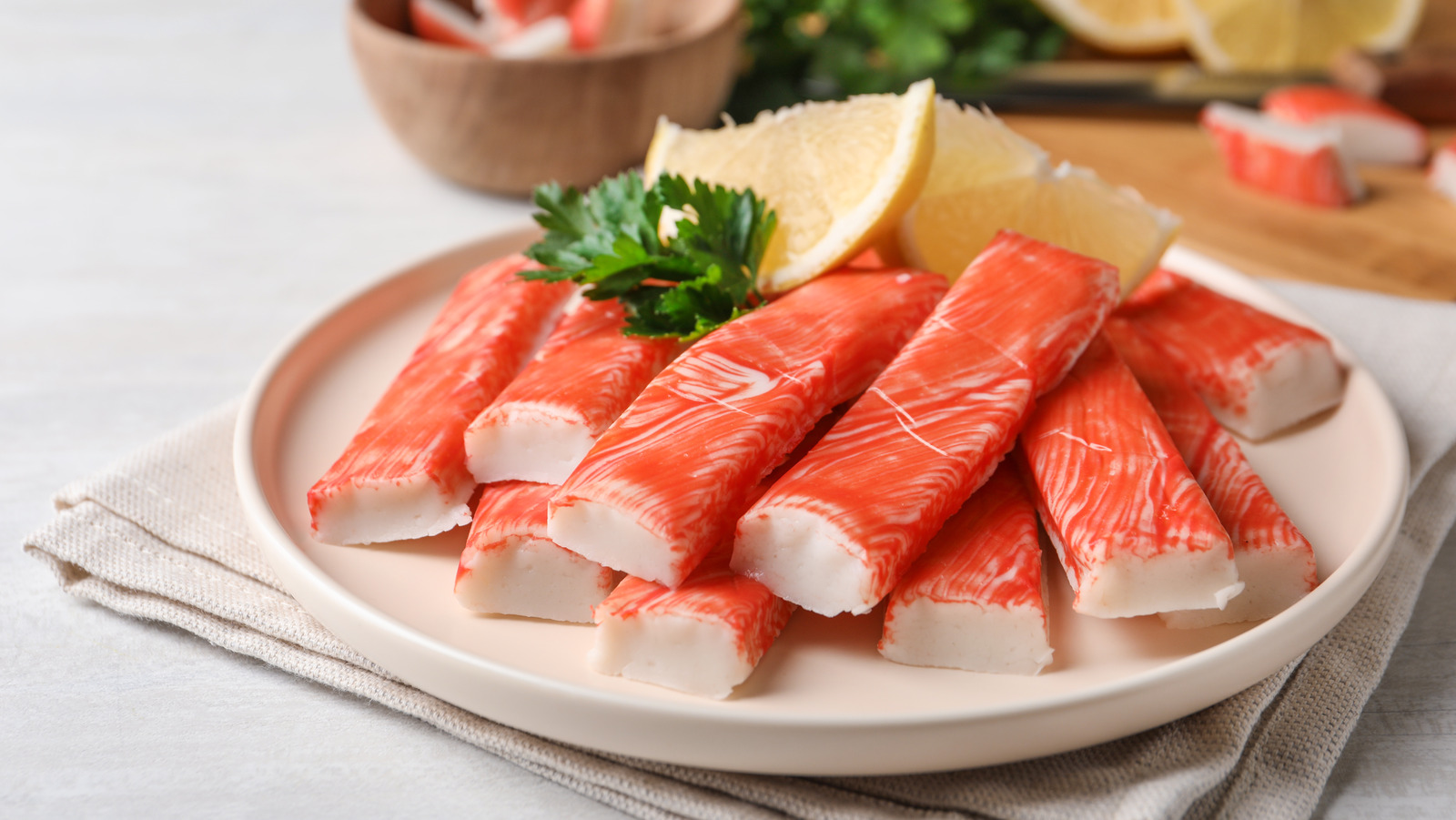
Since imitation crab meat is made from pollock, it’s easy to assume that it’s just as healthy as real crab meat. However, pollock is not as nutrient-dense as crab meat. And since surimi is a processed food, it’s mixed with other ingredients that aren’t as nutrient dense either. When compared to Alaskan crab, it has a similar amount of calories, phosphorous, and magnesium, but these are the only similarities.
The vitamins you get from real lobster vary greatly, too. Three ounces of real crab meat provides 408 percent of the vitamin B12, 111 percent of the copper, 62 percent of the selenium, and 55 percent of the zinc. Meanwhile, imitation crab provides just 21 percent of the vitamin B12, 3 percent of the copper, 35 percent of the selenium, and 3 percent of the zinc you need each day. Surimi does not contain any vitamin C or folic acid like real crab meat, and it contains far fewer omega-3 fatty acids.
Imitation lobster may include other ingredients such as carrageenan, MSG, and phosphates that many people try to avoid. So, label reading is important with surimi. However, on the plus side, surimi tends to get its pink color from cochineal (from cochineal bugs), paprika, or beet juice, so it’s definitely healthier than red dye No. 40. It tends to have half as much sodium as Real crab meat.

John Irving writes for Bjournal, covering news, politics, business, technology, sport, entertainment, and lifestyle. He focuses on clear, reliable reporting and useful information, helping readers stay informed about current events, emerging trends, and stories that matter.




More Stories
Google Gemini AI Plus Subscribers to Lose Access to Pro Models Starting November 13
AI Doomsday Scenarios Renew Debate Over Risks to Humanity
Apple Releases macOS 27 Golden Gate With Siri AI and Major New Mac Features