
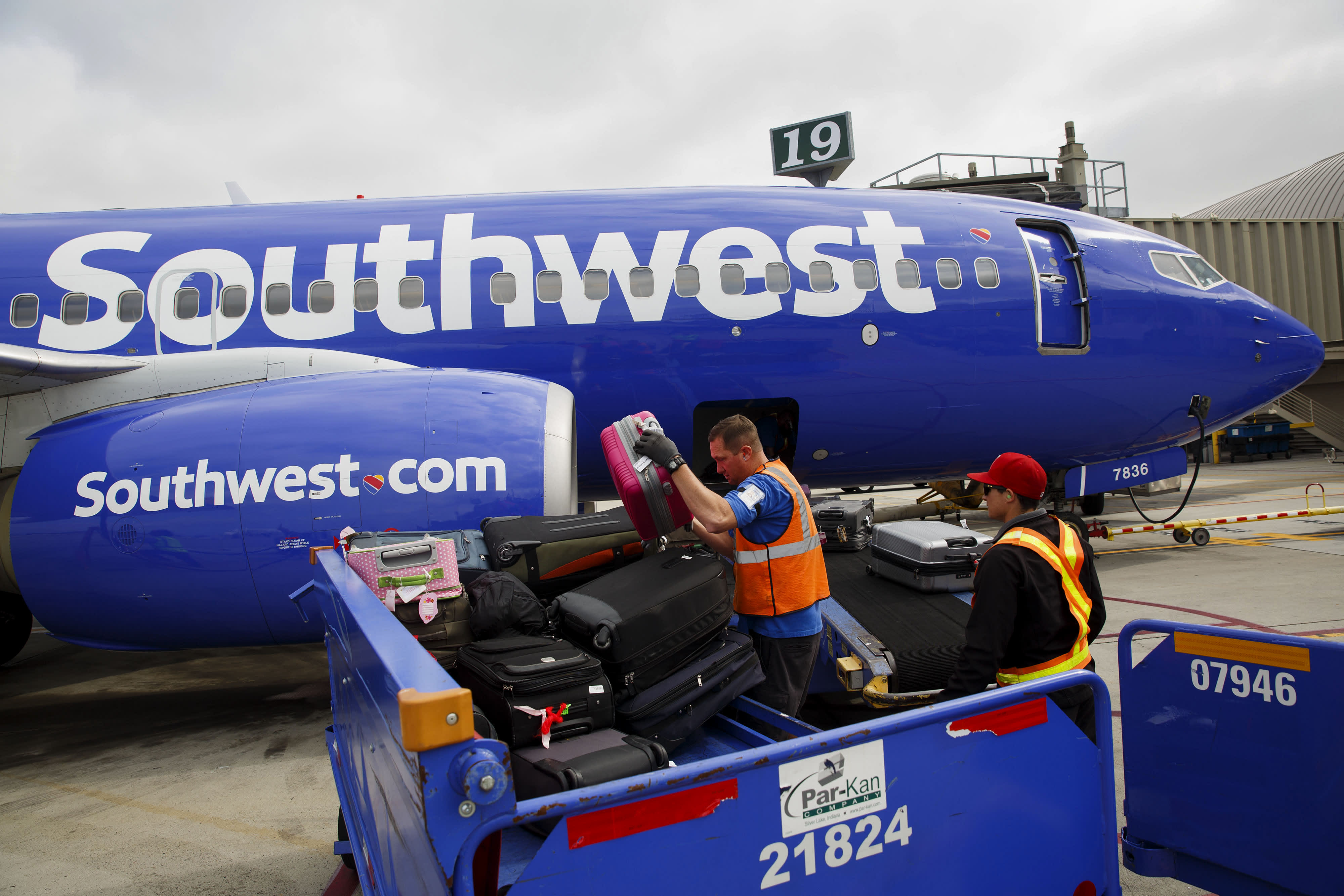
Baggage fee revenue for US airlines was more than $6.7 billion last year, according to the Bureau of Transportation Statistics. American Airlines alone generated nearly $1.4 billion in checked bags, which is more than 2% of the company’s revenue for the full year.
For decades, most bags flew for free, but in recent years fees have skyrocketed, boosting the bottom line for the nation’s carriers.
“There’s a lot of complexity behind what goes into ensuring a passenger’s bag gets to their destination with them,” said Kirk Pilner, Delta Air Lines’ general manager of baggage operations.
At Atlanta’s Hartsfield-Jackson International Airport, there are more than 30 miles of conveyor belts, an army of 2,000 workers and a fleet of airport workers bringing bags from the terminal to the plane to ensure passengers are reunited with their luggage at their destination.
US airlines carried more than 470 million passenger bags last year.
So what steps are airlines taking to prevent baggage loss and how does Delta Air Lines move 100,000 bags a day through the world’s busiest airport? CNBC took a behind-the-scenes look at Delta’s baggage operation in Atlanta to find out.
Watch the video to learn more.

Elmore Leonard writes for Bjournal, covering news, politics, business, technology, sport, entertainment, and lifestyle. He focuses on clear, reliable reporting and useful information, helping readers stay informed about current events, emerging trends, and stories that matter.




More Stories
Apple and Schneider Electric Unveil Smart Thermostat Designed to Reduce Energy Bills
Higher Diesel Prices Improve Biodiesel Economics as Global Biofuel Demand Raises Land-Use Questions
Amazon Suspends 21 Air Cargo Operations After Fatal Miami Runway Crash