
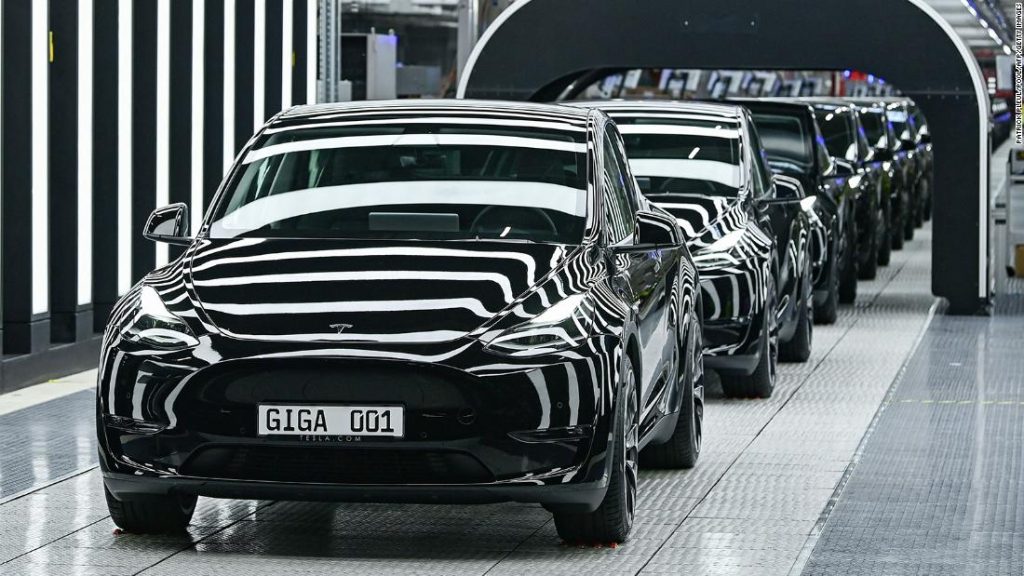
It included descriptions like “autopilot” and “completely autonomous driving capability” and used wording like “All you have to do is get in and tell your car where it’s going … a Tesla will determine the optimal path, navigate city streets, complex intersections and highways,” the lawsuit said.
Another claim that California’s DMV claimed was misleading, “The system is designed to be able to make short and long trips without any action required by the person in the driver’s seat.”
“These ads are deceptive practice” under California civil law, the DMV complaint said.
Tesla does not usually respond to requests for comment.
The complaint added that Tesla has published disclaimers since June warning that the features still require active driver supervision, which conflicts with “misleading labels and claims.”
The complaint warned that Tesla’s advertising actions could result in it temporarily losing its manufacturer’s license and California private plate number.
The data found that of a total of 497 accidents studied by the NHTSA, 43% of accidents caused by driver assistance technologies occurred in California.
Tesla has 15 days To respond to the complaint in order to avoid the decision in absentia.
The Los Angeles Times was the first news outlet to report the complaint.
CNN’s Matt MacFarland contributed to this report.

Elmore Leonard writes for Bjournal, covering news, politics, business, technology, sport, entertainment, and lifestyle. He focuses on clear, reliable reporting and useful information, helping readers stay informed about current events, emerging trends, and stories that matter.

More Stories
Apple and Schneider Electric Unveil Smart Thermostat Designed to Reduce Energy Bills
Higher Diesel Prices Improve Biodiesel Economics as Global Biofuel Demand Raises Land-Use Questions
Amazon Suspends 21 Air Cargo Operations After Fatal Miami Runway Crash